
|
Summary
Ruma is a social business that deploys business-in-a-box solutions
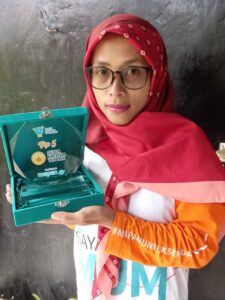
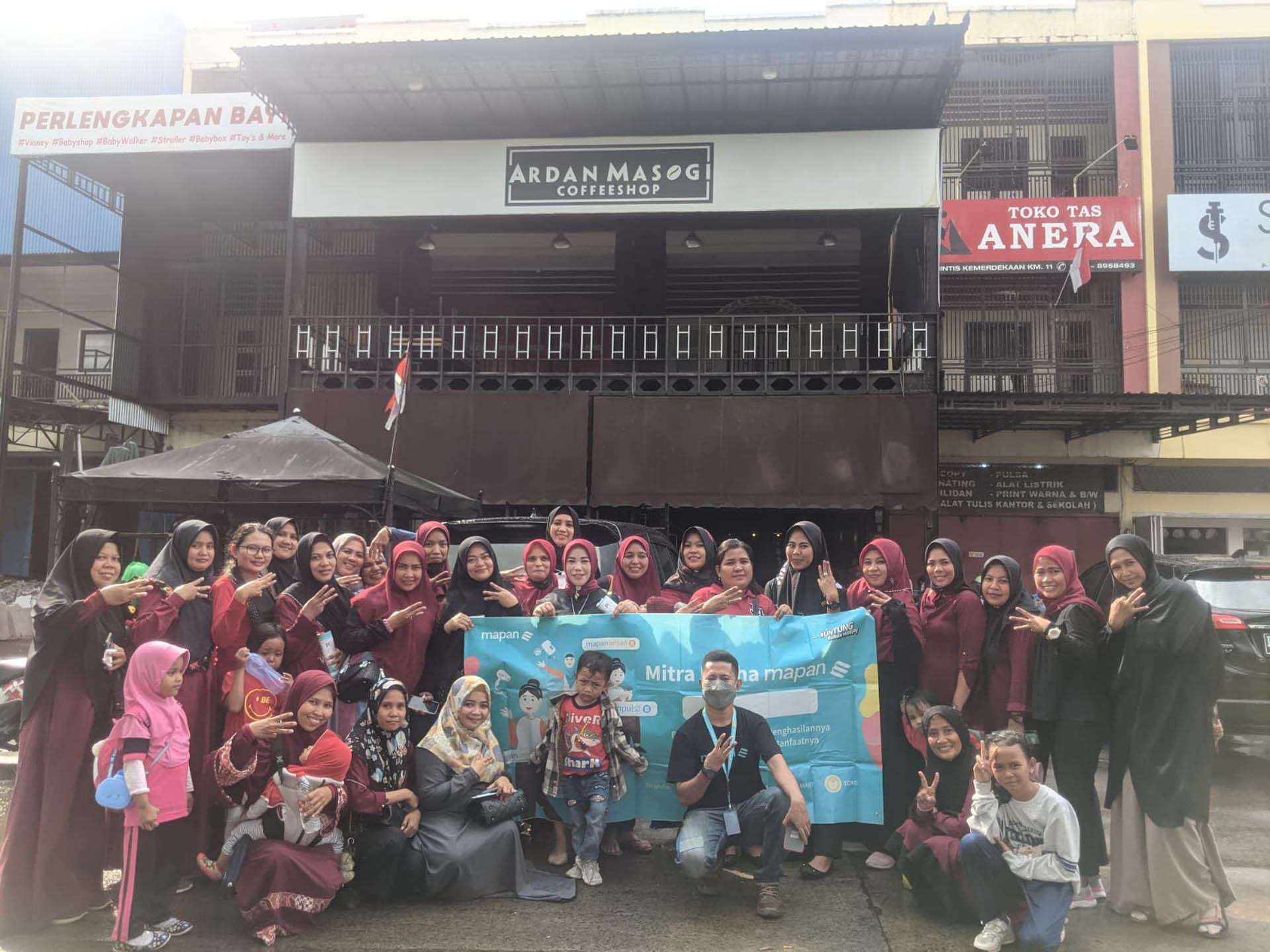
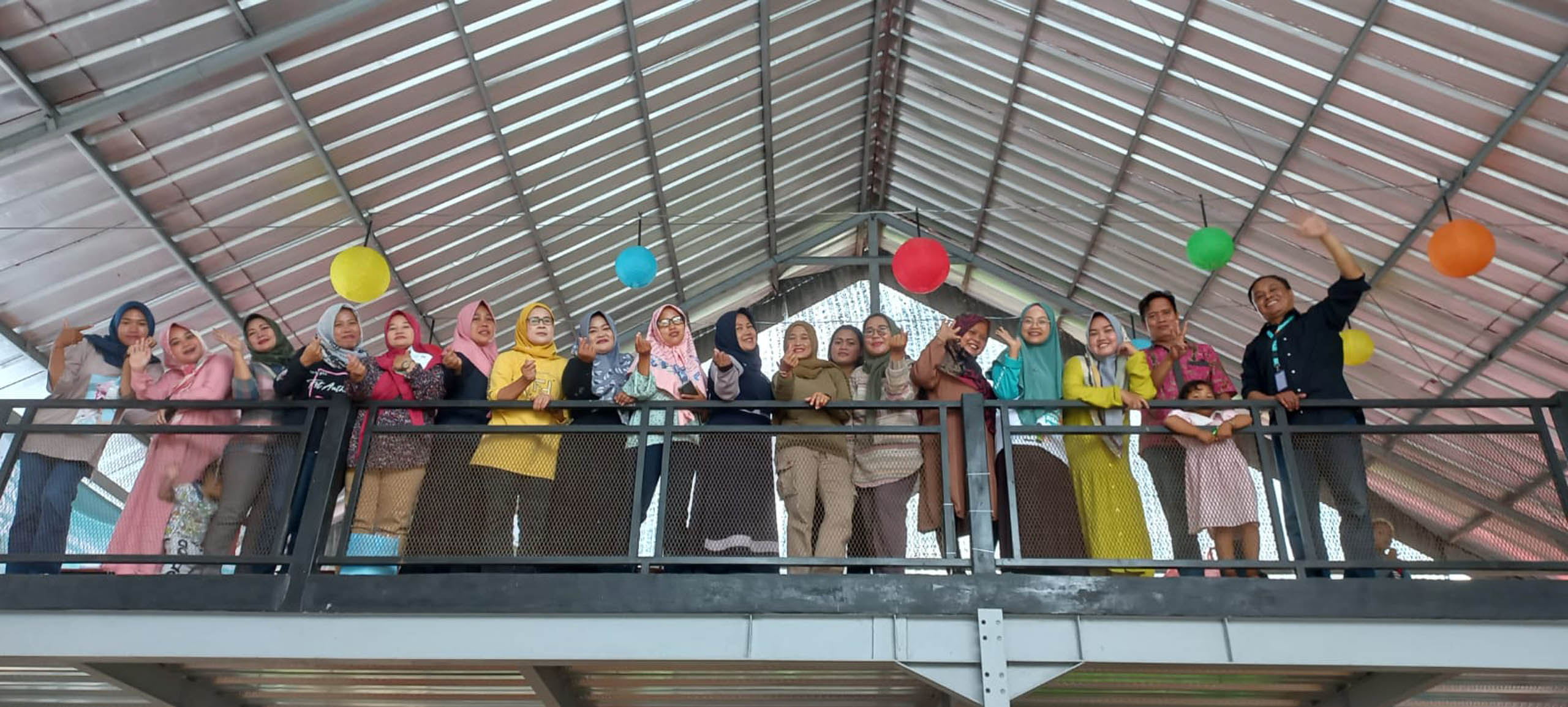
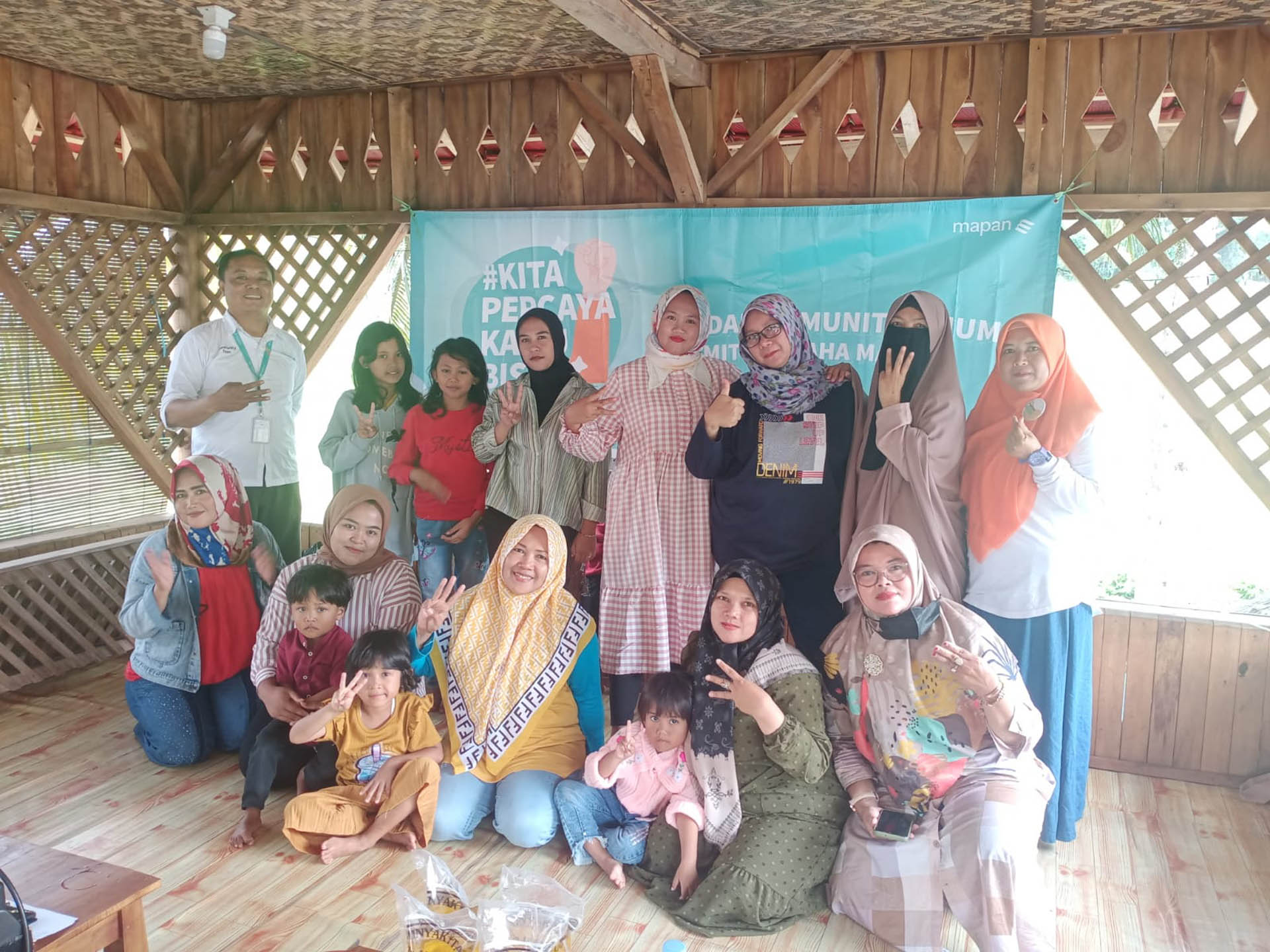
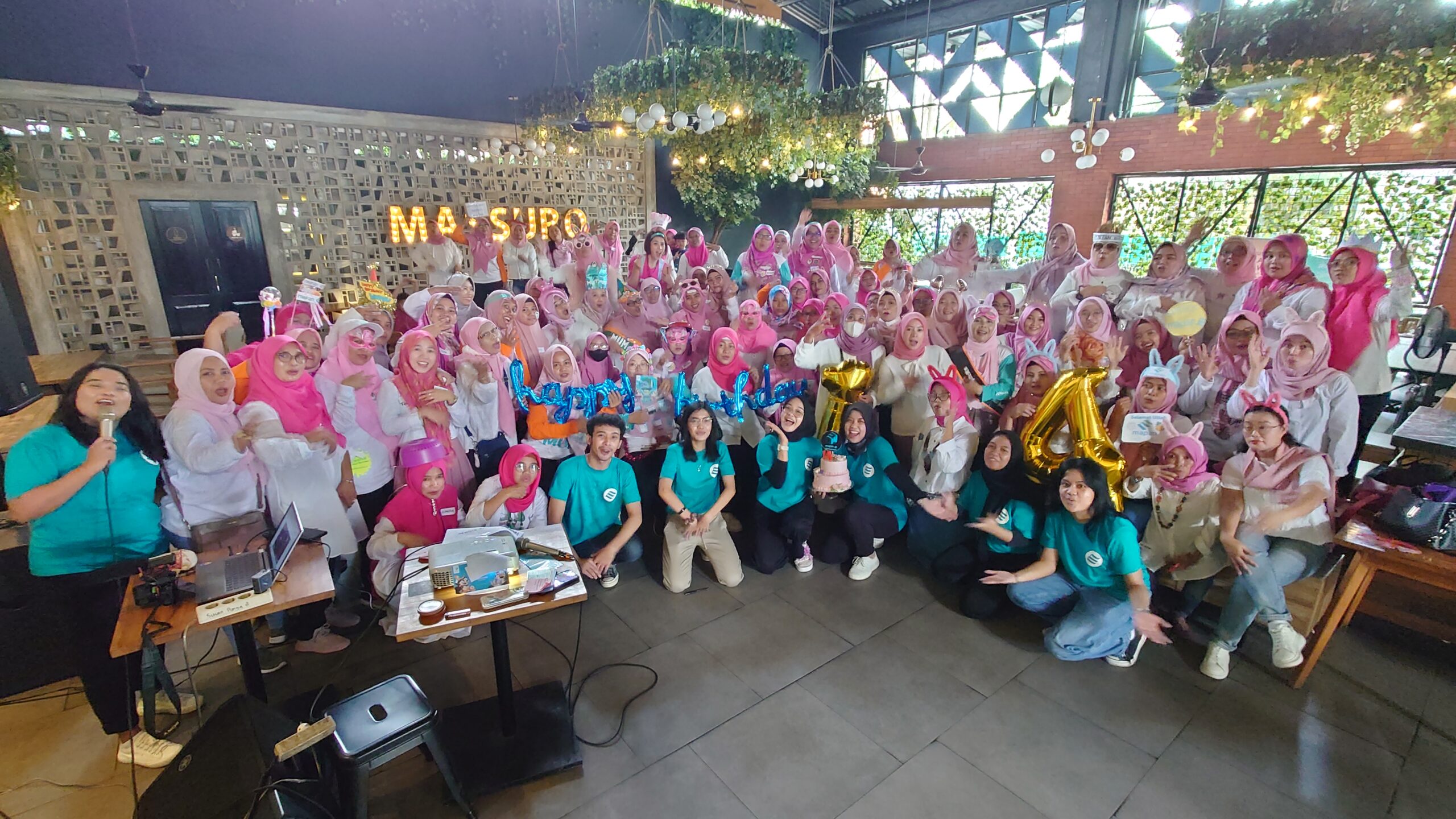
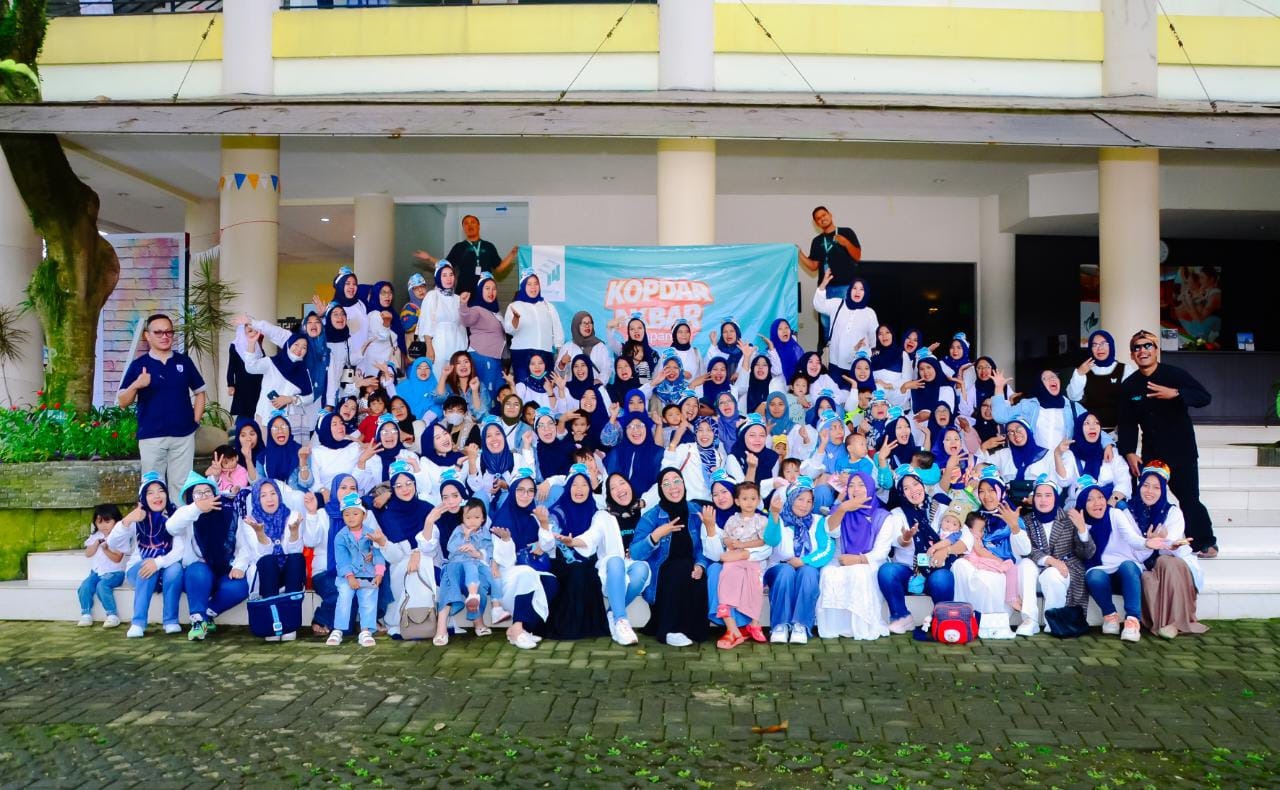
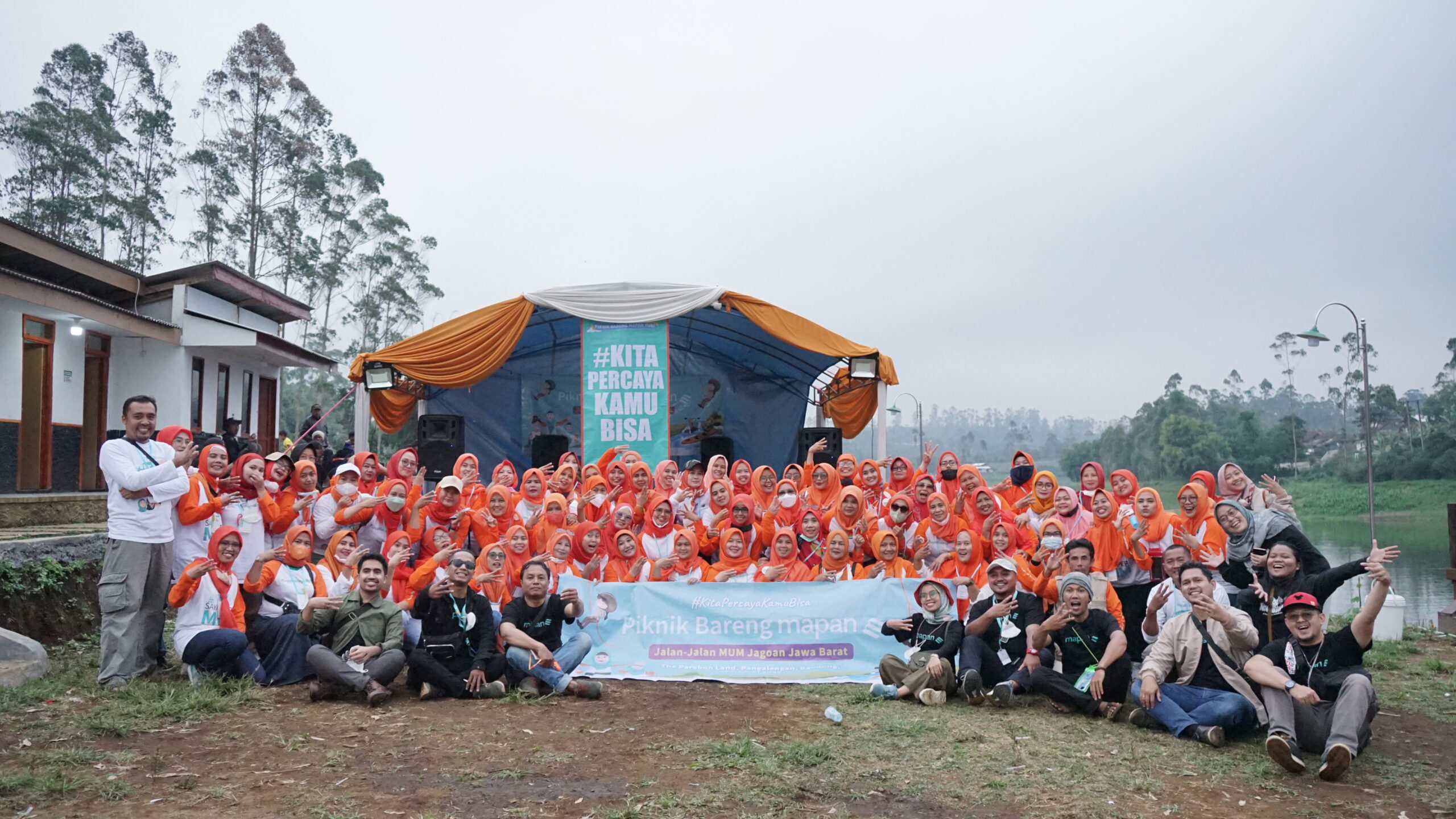
In August of 2009, Grameen Foundation incubated and supported PT Rekan Usaha Mikro Anda (RUMA) is a social enterprise serving a financial and social mission by empowering the poor with profitable micro-franchise business solution to deliver products and services to underserved communities. In its first five months of operation, RUMA has deployed more than 1,600 micro-franchise businesses and is on track to reach sustainability in two years. Almost 70% of the businesses are owned and operated by micro-entrepreneurs earning less than $2.50 per day. Women operate more than 90% of the franchises and 100% are profitable.
180 million people in Indonesia live below the international poverty line
In Indonesia, 75% of the population – or 180 million people – live below the international poverty line of $2.50/day. 63% of the population earns their economic livelihood in the informal sector, with little bargaining power, little or no access to efficient supply chains and highly variable and unpredictable sources of income.Despite the high poverty incidence, over 150 million mobile devices are active in the market and industry revenues grew to nearly US$80 billion (Frost and Sullivan, 2009). Indonesia is also one of the most competitive markets with 11 mobile operators, which is rivaled only by India.
Ruma's first product is "Rumah Pulsa", a cellular airtime sales kit
Ruma is currently offering its flagship microfarnchise business, “Rumah Pulsa”, a telecommunications kiosk that enables the entrepreneur to sell prepaid airtime to their community. Ruma sells the business kit, which contains a phone, promotion materials, and an operating manual for $23 to a future franchisee.
Ruma targets households earning less than $2.5 per day
Ruma’s main social goal is to increase the economic livelihood of its franchisees. To ensure it is serving the poor, Ruma conducts a questionnaire to determine a franchisee’s poverty level based on the Progress-Out-of-Poverty Index (PPI) methodology. As of January 2010, 100% of Ruma’s franchisees are profitable and 69.5% clients are living below $2.5 per day and over 90% of Ruma’s franchisees are women. Franchisees believe the main benefit of their new business is the stable cash flow.
Ruma has built a management team with diverse international industry experience
Ruma was founded by Aldi Haryopratomo (BCG, Kiva, HBS), and Budiman Wikarsa (Mckinsey,AT Kearney, Kellog), who is its managing director. Since its inception, Ruma has hired an Operations Manager, Finance Manager, and IT Manager. Ruma has also built and trained a sales team consisting of three District Supervisors, over 30 Field Officers, and two Customer Service representatives.
Anda (RUMA) is a social enterprise serving a financial and social mission by empowering the poor with profitable micro-franchise business solution to deliver products and services to underserved communities. In its first five months of operation, RUMA has deployed more than 1,600 micro-franchise businesses and is on track to reach sustainability in two years. Almost 70% of the businesses are owned and operated by micro-entrepreneurs earning less than $2.50 per day. Women operate more than 90% of the franchises and 100% are profitable.
180 million people in Indonesia live below the international poverty line
In Indonesia, 75% of the population – or 180 million people – live below the international poverty line of $2.50/day. 63% of the population earns their economic livelihood in the informal sector, with little bargaining power, little or no access to efficient supply chains and highly variable and unpredictable sources of income.Despite the high poverty incidence, over 150 million mobile devices are active in the market and industry revenues grew to nearly US$80 billion (Frost and Sullivan, 2009). Indonesia is also one of the most competitive markets with 11 mobile operators, which is rivaled only by India.
Ruma's first product is "Rumah Pulsa", a cellular airtime sales kit
Ruma is currently offering its flagshi p microf ranchise business, “Rumah Pulsa”, a telecommunications kiosk that enables the entrepreneur to sell prepaid airtime to their community. Ruma sells the business kit, which contains a phone, promotion materials, and an operating manual for $23 to a future franchisee.
Ruma targets households earning less than $2.5 per day
Ruma’s main social goal is to increase the economic livelihood of its franchisees. To ensure it is serving the poor, Ruma conducts a questionnaire to determine a franchisee’s poverty level based on the Progress-Out-of-Poverty Index (PPI) methodology. As of January 2010, 100% of Ruma’s franchisees are profitable and 69.5% clients are living below $2.5 per day and over 90% of Ruma’s franchisees are women. Franchisees believe the main benefit of their new business is the stable cash flow.
Ruma has built a management team with diverse international industry experience
Ruma was founded by Aldi Haryopratomo (BCG, Kiva, HBS), and Budiman Wikarsa (Mckinsey,AT Kearney, Kellog), who is its managing director. Since its inception, Ruma has hired an Operations Manager, Finance Manager, and IT Manager. Ruma has also built and trained a sales team consisting of three District Supervisors, over 30 Field Officers, and two Customer Service representatives.
|